
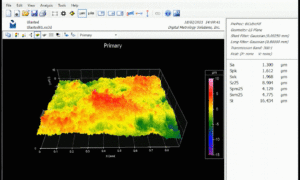
Image rotation and animation with OmniSurf3D
When it comes to understanding surface texture, one of the most powerful tools we have is an interactive visual of the surface. A 3D surface texture measurement tells a great deal about a surface, such as how features relate to each other—information that can only be hinted at by 2D measurements. 3D measurements help you
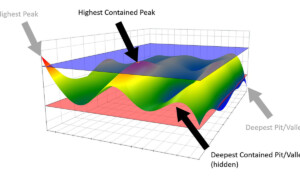
Measuring gear tooth waviness
Gear tooth waviness is a hot topic these days. As automobile engines have grown quieter, other noise sources, such as gears, are getting much more attention. We know that mid-wavelength waviness (two to three peaks per gear tooth) correlates to gear noise. What we have been lacking, however, are parameters that correlate to that noise,
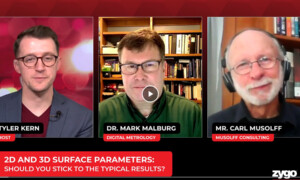
Check out the “2D & 3D Parameters” podcast
Digital Metrology’s Mark Malburg was a guest speaker on Zygo Corporation’s recent podcast, “2D and 3D Parameters: Should you stick to the typical results?” Dr. Malburg and Carl Musolff, retired senior technical advisor from Cummins Corporation, joined host Tyler Kern to discuss how surface texture parameters are specified and measured in order to control component
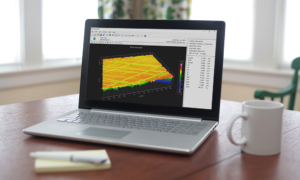
Surface analysis when working remotely
When you send parts to a measurement lab, you likely receive back a PDF file with some parameter values, and maybe a part profile. That’s probably just enough information for you to show whether the parts meet spec. But you aren’t likely to get any real sense of how that surface looks, feels, or performs.
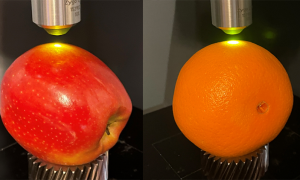
Comparing apples and oranges?
A properly scaled photo or graph can give great insight into surface texture features. An improperly scaled image, however, can get you running in circles. If you are trying to compare process data, an incorrectly scaled image may (incorrectly) suggest a change with your process, or it could mask an actual, lurking problem.
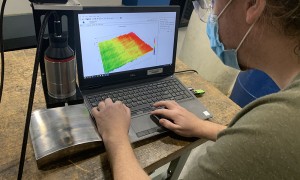
Surface texture analysis in the classroom
The majority of students entering machining and design occupations only received a slight introduction to surface texture analysis. Daniele DeFranceschi, a professor in the School of Engineering at St. Clair College in Windsor, Canada, is working to change that. Tools such as OmniSurf and OmniSurf3D help by making it easy to visualize and explore surfaces.
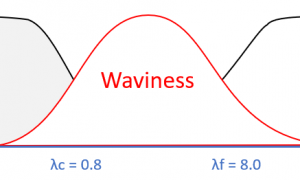
What kind of waviness?
For many industries, waviness is a critical aspect of surface texture. The presence of waviness on a surface can be directly connected to functional problems such as noise, vibration, excessive wear and sealing issues. So, if we are going to control waviness, we need to first understand that there are two different interpretations of waviness
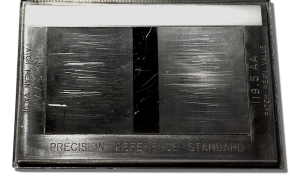
Understanding that scratched-up calibration patch
In many laboratories and production environments, we encounter surface texture calibration patches that look like this. Hopefully yours don’t look quite this bad, but let’s take a deeper look at this damage. Calibration patch surfaces are typically made of electroformed nickel, so they can be relatively soft. As a result, we often assume that the
Surface texture analysis for the sciences
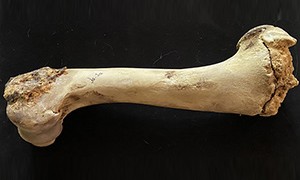
If you work in manufacturing you likely think of “surface texture analysis” as a tool for quality control or for improving functionality. But there are many applications beyond the factory walls in which surface analysis can lead to new discoveries or new ways of looking at the world. Carrie Rowe is a doctoral candidate in